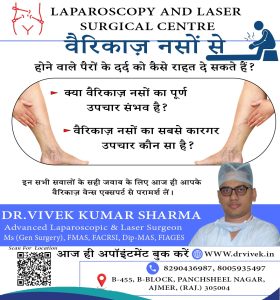
Understanding Varicose Veins: Causes, Symptoms, and Treatments
Varicose veins are a common condition that many people experience, especially as they age. As an advanced laparoscopic and laser surgeon, I often treat patients dealing with this issue. In this blog post, I’ll explain what varicose veins are, their symptoms, and the treatment options available.
What are Varicose Veins?

Varicose veins are enlarged, twisted veins that appear just under the skin’s surface. They most commonly occur in the legs, particularly in the calves and thighs. These veins develop when the valves within them become weak or damaged, causing blood to pool and the veins to swell.
Symptoms of Varicose Veins
While some people may not experience any discomfort, common symptoms of varicose veins include:
- Visible, bulging veins that are dark purple or blue
- Aching or heavy feeling in the legs
- Swelling in the lower legs and ankles
- Itching around the affected veins
- Skin discoloration or hardening around the veins
- Muscle cramping, especially at night
In severe cases, varicose veins can lead to complications such as ulcers, blood clots, or bleeding.
Risk Factors
Several factors can increase your risk of developing varicose veins:
- Age (risk increases as you get older)
- Gender (women are more prone to varicose veins)
- Family history
- Obesity
- Pregnancy
- Prolonged standing or sitting
- Lack of exercise
Treatment Options
Fortunately, there are various treatment options available for varicose veins, ranging from lifestyle changes to minimally invasive procedures:
- Lifestyle modifications
- Regular exercise
- Maintaining a healthy weight
- Elevating legs when resting
- Wearing compression stockings
- Sclerotherapy: Injection of a solution to close off smaller varicose veins
- Laser treatments: Using focused light to heat and seal off affected veins
- Radiofrequency ablation: Using radiofrequency energy to heat and close larger varicose veins
- Endovenous laser treatment (EVLT): A minimally invasive procedure using laser energy to seal off problematic veins
- Ambulatory phlebectomy: Removal of larger surface veins through tiny skin punctures
- Vein stripping: Surgical removal of problematic veins (less common nowadays due to less invasive alternatives)
As an advanced laparoscopic and laser surgeon, I specialize in minimally invasive treatments like EVLT and radiofrequency ablation. These procedures offer excellent results with minimal downtime and discomfort.
When to Seek Medical Advice
If you’re experiencing symptoms of varicose veins or are concerned about their appearance, it’s important to consult a healthcare professional. Early intervention can prevent complications and improve your quality of life.
At our clinic, we offer comprehensive evaluations and personalized treatment plans to address your specific needs. Don’t let varicose veins impact your comfort or confidence – schedule a consultation today to explore your options for healthier, more attractive legs.