 Discover the latest advancements in laparoscopic surgery, from improved techniques and technologies to enhanced patient outcomes. Learn how modern laparoscopic methods are reshaping the field of minimally invasive surgery.
Advancements in Laparoscopic Surgery: A Comprehensive Guide to Modern Techniques
Introduction
Laparoscopic surgery, also known as minimally invasive surgery (MIS), has undergone remarkable advancements since its inception. With its small incisions and high-definition imaging, laparoscopic surgery has revolutionized the way many procedures are performed, offering patients faster recoveries, reduced pain, and minimal scarring. This blog delves into the latest advancements in laparoscopic surgery, highlighting how these innovations are shaping the future of minimally invasive procedures.
1. Enhanced Imaging Technology
One of the most significant advancements in laparoscopic surgery is the development of high-definition and 3D imaging systems. Modern laparoscopic cameras now offer ultra-high-definition (UHD) and 3D visualization, providing surgeons with a clearer, more detailed view of the surgical field. This enhanced imaging improves the accuracy of procedures and helps in identifying critical structures with greater precision, leading to better patient outcomes.
2. Advanced Robotic-Assisted Laparoscopy
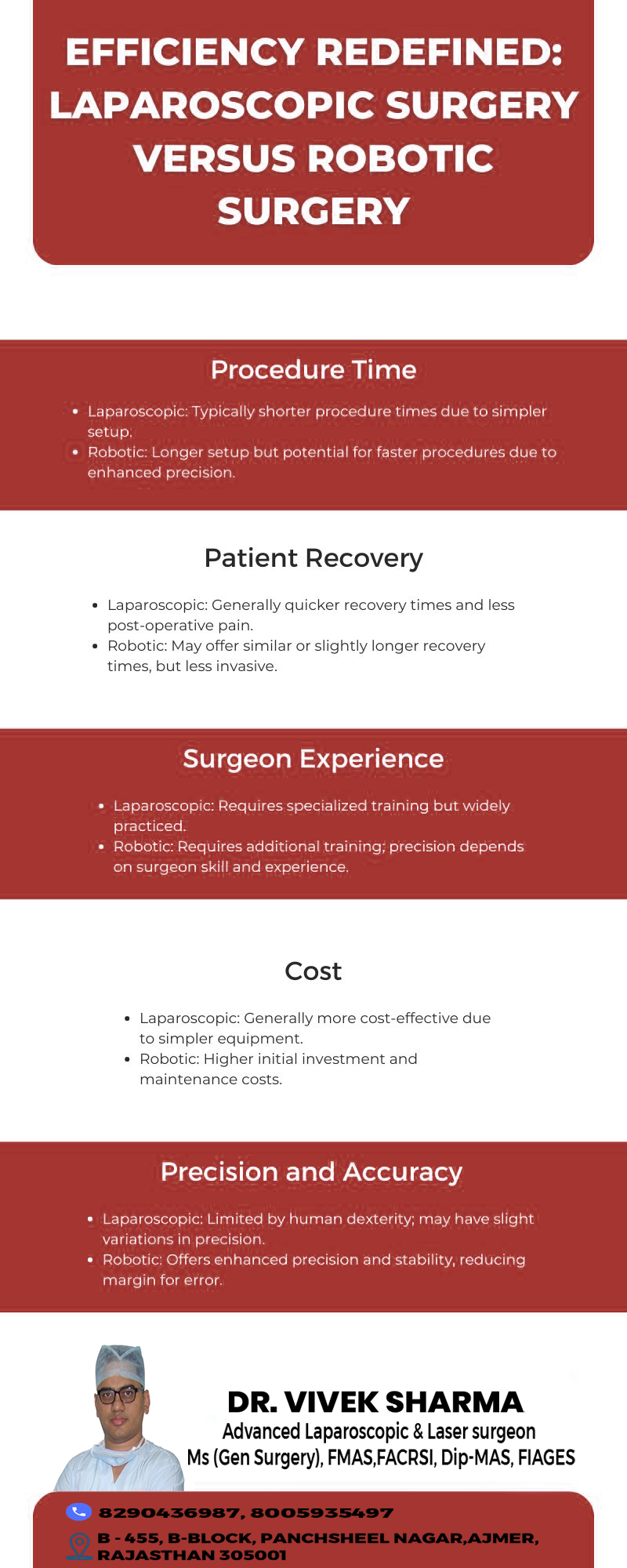
While traditional laparoscopic surgery involves manual instrument manipulation, robotic-assisted laparoscopic surgery takes it a step further. The integration of robotic systems, such as the da Vinci Surgical System, allows surgeons to control robotic arms with greater dexterity and precision. This technology enables more complex and delicate procedures to be performed with enhanced accuracy, reduced fatigue, and improved surgical outcomes.
3. High-Energy Devices
The use of advanced high-energy devices, such as ultrasonic and laser technologies, has transformed laparoscopic surgery. These devices facilitate more efficient tissue dissection, coagulation, and sealing, minimizing bleeding and reducing the risk of complications. High-energy devices also contribute to shorter operating times and improved precision in delicate procedures.
4. Single-Incision Laparoscopic Surgery (SILS)
Single-incision laparoscopic surgery (SILS) represents a significant advancement in reducing the invasiveness of laparoscopic procedures. Instead of multiple small incisions, SILS uses a single incision, typically made in the belly button, through which all the surgical instruments are introduced. This technique not only minimizes scarring but also reduces postoperative pain and recovery time.
5. Enhanced Surgical Instruments
The development of advanced laparoscopic instruments has improved the versatility and effectiveness of laparoscopic procedures. Modern instruments are designed to be more ergonomic, allowing for better control and precision. Additionally, innovations such as flexible and articulating tools enable surgeons to access challenging areas and perform complex maneuvers with ease.
6. Improved Patient Safety and Outcomes
Advancements in laparoscopic surgery contribute significantly to improved patient safety and outcomes. Enhanced imaging and surgical tools allow for more accurate and efficient procedures, reducing the risk of complications and promoting quicker recoveries. Furthermore, the minimally invasive nature of laparoscopic surgery leads to less postoperative pain, shorter hospital stays, and faster return to normal activities.
7. Ongoing Research and Future Directions
The field of laparoscopic surgery continues to evolve with ongoing research and technological developments. Future advancements may include the integration of artificial intelligence (AI) for surgical planning and real-time decision-making, further enhancements in robotic systems, and innovations in surgical training techniques. These developments promise to further improve the precision, safety, and efficiency of laparoscopic procedures.