Introduction
As a laparoscopic surgeon, I frequently encounter patients suffering from gallstones, a common yet often misunderstood health issue. Gallstones are solid particles that form in the gallbladder, a small organ beneath the liver responsible for storing bile, which aids in digestion. While many people may remain symptom-free, others may experience significant discomfort or complications that require surgical intervention. In this blog, I will discuss gallstones from a surgical perspective, focusing on their causes, symptoms, diagnosis, and laparoscopic treatment options available.
What Are Gallstones?
Gallstones can vary in size and type, primarily categorized into two types:
- Cholesterol Gallstones: The most common type, these are typically yellow-green and consist primarily of hardened cholesterol.
- Pigment Gallstones: These are smaller and darker, made from bilirubin, a substance produced from the breakdown of red blood cells.
Understanding the type of gallstone is crucial as it can influence treatment options and outcomes.
Causes of Gallstones
Several factors can contribute to the formation of gallstones:
- Excess Cholesterol: When the liver excretes more cholesterol than bile can dissolve, it crystallizes and forms stones.
- Excess Bilirubin: Certain medical conditions, such as liver cirrhosis or biliary tract infections, can lead to increased bilirubin levels, resulting in pigment stones.
- Bile Concentration: Inefficient emptying of the gallbladder can cause bile to become overly concentrated, leading to stone formation.
- Risk Factors: Common risk factors include obesity, pregnancy, age, gender (more prevalent in women), rapid weight loss, and diets high in fat and cholesterol.
As a surgeon, I often see patients whose lifestyle factors contribute to their gallstone issues.
Symptoms of Gallstones
Many individuals may not exhibit symptoms, but when they do, symptoms can include:
- Sudden Pain: Intense pain in the upper right abdomen, especially after a fatty meal, lasting from a few minutes to several hours.
- Nausea and Vomiting: These symptoms often accompany the abdominal pain.
- Bloating and Indigestion: Many patients report discomfort after eating, particularly when consuming fatty foods.
- Jaundice: If a gallstone blocks the bile duct, patients may experience yellowing of the skin and eyes.
Recognizing these symptoms early can significantly influence the urgency and type of treatment needed.
Diagnosis of Gallstones
Diagnosing gallstones typically involves several methods:
- Ultrasound: The most common and effective imaging method for detecting gallstones, it is non-invasive and does not involve radiation.
- CT Scan: This provides detailed images of the abdomen and helps identify complications related to gallstones.
- Blood Tests: These tests can reveal signs of infection, jaundice, or pancreatitis, guiding further management.
Early diagnosis is essential in planning the appropriate treatment strategy.
Laparoscopic Treatment Options
As a laparoscopic surgeon, I often recommend surgery for symptomatic gallstones. The primary treatment options include:
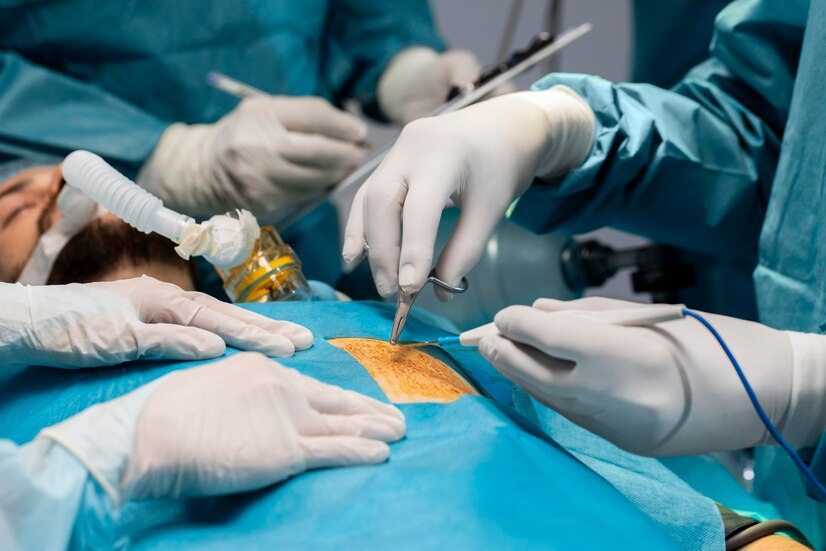
- Laparoscopic Cholecystectomy: This minimally invasive surgery involves removing the gallbladder through small incisions in the abdomen. It offers several advantages, including:
- Reduced Pain and Scarring: Smaller incisions lead to less post-operative pain and minimal scarring.
- Quick Recovery: Most patients can return to their normal activities within a week.
- Lower Risk of Complications: Laparoscopic techniques typically carry fewer risks compared to open surgery.
- Endoscopic Procedures: If a gallstone is blocking the bile duct, I may perform an endoscopic retrograde cholangiopancreatography (ERCP) to remove it. This procedure can often be done in conjunction with laparoscopic cholecystectomy.
Lifestyle Changes and Prevention
In addition to surgical options, I encourage my patients to adopt certain lifestyle changes to reduce the risk of gallstones:
- Maintain a Healthy Weight: Gradual weight loss, rather than rapid weight loss, is advisable.
- Eat a Balanced Diet: A diet rich in fiber, healthy fats, and lean proteins, along with plenty of fruits, vegetables, and whole grains, can help.
- Stay Hydrated: Drinking sufficient water aids in maintaining proper digestion.
- Regular Exercise: Physical activity can help mitigate the risk of gallstone formation.
Conclusion
Gallstones can be a painful and disruptive condition, but understanding their causes, symptoms, and treatment options is crucial. As a laparoscopic surgeon, I am dedicated to providing my patients with the best possible care through minimally invasive techniques. If you suspect you have gallstones or are experiencing related symptoms, I encourage you to seek medical advice promptly. Early diagnosis and appropriate treatment can lead to a healthier, pain-free life